
Tips to Find your Lost Dog & How to Prevent Losing them.
The First 0–10 Minutes: Stay Close and Call
Stay in the area where your dog was last seen.
Call their name clearly and calmly.
Listen carefully—your dog may be hiding or stuck nearby.
Exceptions:
If your dog regularly runs back to:
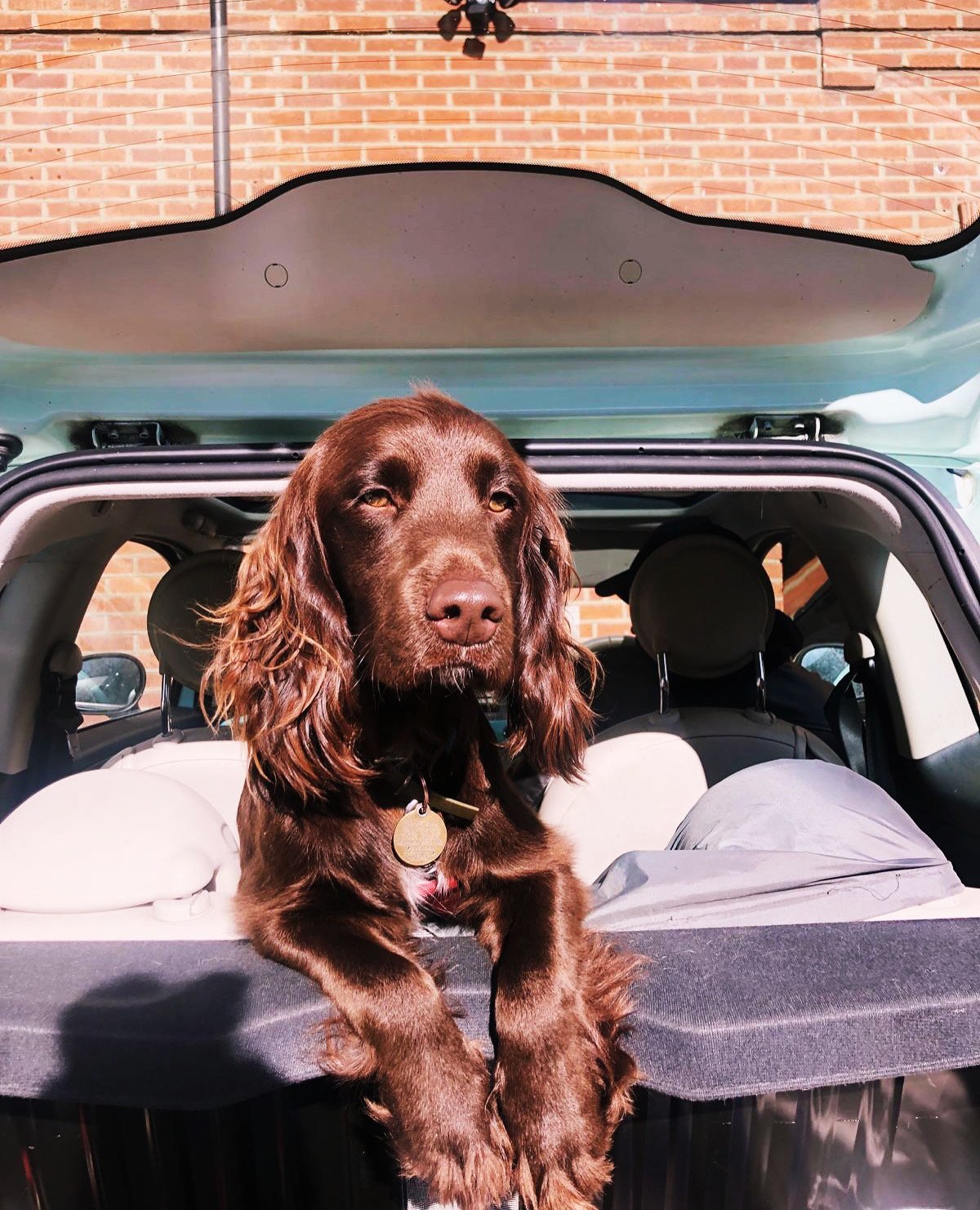
Your vehicle
Your home
A familiar location
or if they’ve recently found something “interesting” to eat, they may already be heading there- then head there.
10–30 Minutes: Check Familiar Safe Places
Ask someone to check your home if it’s nearby.
Check where your vehicle is parked, especially if you drove to the location.
Think about places your dog feels safe—for example, a relative’s house or a frequently visited home.
One dog once ran straight to the owner’s mother’s house, just five minutes away.
Alert the Police
Contact the police, especially if:
There are fast or busy roads nearby
There is a sighting near a fast road
Police can slow or stop traffic and prevent serious accidents.
Report Your Dog as Lost Online
Upload your dog’s details to DogLost as soon as possible.
Download the DogLost poster and:
Share it on social media
Post it in local community and neighbourhood groups
While doing this, remain near the last known location or move between there and your home/vehicle. If possible, have a familiar person stay at the original spot.
Print and Protect Posters
Ask someone to print and laminate (or encapsulate) DogLost posters.
Laminated posters last longer and won’t need replacing after rain or wind which you will be very thankful for if they are still missing in a couple of days.
After 30 Minutes: Begin Active Postering
Start postering in a ½-mile radius around the last sighting.
Increase the radius each day or half-day, depending on what you can manage.
If you receive a sighting, shift the postering radius to around that area.
Poster Tips
Secure posters firmly with cable ties.
Clearly state:
“DO NOT CHASE”
“PLEASE CALL WITH ANY SIGHTINGS”
Nervous or spooked dogs will often run further if approached.
If You Are a Dog Walker (Not the Owner)
Contact the owner and get them to the area as soon as possible.
If the dog was spooked:
The dog is far more likely to run to their owner than to a walker or stranger.
For sightings, the owner should attend immediately if possible.
Maintain a Strong Scent Trail
Dogs often navigate using scent. Help them find their way back.
Walk repeatedly between:
The last sighting
A safe place (home or vehicle)
Leave a scent trail using worn clothing (e.g. socks or a T-shirt).
Avoid flooding the area with too many people initially, as this can confuse scent trails.
Check for Trapped Dogs
Actively search places where a dog could be stuck:
Garages
Sheds
Outhouses
Gardens
Construction sites
If Your Dog Has Not Been Found After 48 Hours
There is a higher chance that:
A) The dog was hit by a vehicle and not reported
B) The dog is trapped somewhere
C) Someone has taken the dog in
If it may be C, visibility is critical and so you need to:
Make Your Dog “Too Hot to Handle”
Increase postering, banners, and social media sharing.
Encourage people to:
Check microchips on any dog matching your dog’s description
Contact you or DogLost immediately
The more visible your dog is, the harder it becomes for anyone to keep them without being noticed.
Do not:
Waste time calling vets and dog warden unless your microchip is not up to date. Better to keep your phone line free.
Do not, Offer rewards- this usually encourages prank calls.
Do not Walk around aimlessly not postering or targeting areas they could be stuck. It may feel like you are doing something but I argue this is a waste of vital energy and time.
Do not use paper posters or even ones in plastic wallets- they won’t last and you might need them to.
Preventative Measures: Reduce the Risk
GPS Tracking
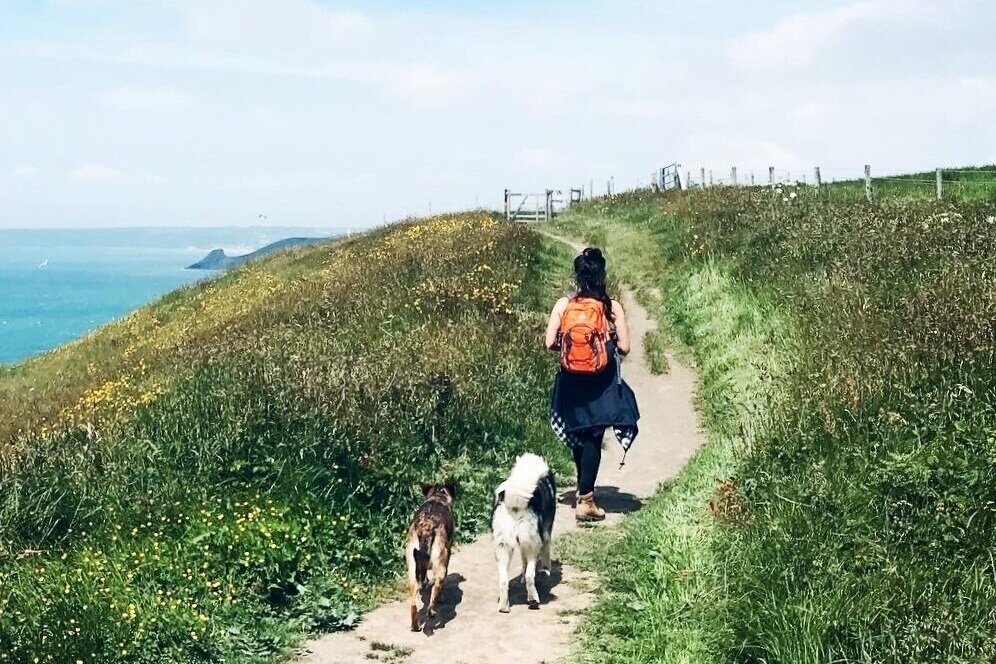
All dogs should wear a GPS tracker
Ensure the GPS has at least 30% battery before every walk.
Here’s 30% off Tractive GPS that we use:
Important:
AirTags are not GPS devices. They:
Rely on nearby iOS devices
Are often delayed by several minutes
Can fail completely
AirTags are a useful backup, but not a substitute for a proper GPS.
Safe Off-Lead Practices
Before letting a dog off lead:
Test recall using a long line
Progress by:
Dropping the long line while still attached to a harness (never a collar)
Before removing the line entirely, ensure:
The dog recalls reliably
The dog allows you to physically take hold of them
Environment and Bond
Use enclosed areas when recall is uncertain.
Build a strong bond so you are the dog’s secure base.
When frightened, the dog should run to you, not away
Microchips Chips and Tags
Make sure your micropchip details stay up to date so vets etc can contact you.
Make sure your details are on another tag so members of the public can contact you.
If your dog is nervous about being approached, put your number in large font on a harness so people can contact you without approaching your dog.